Ultimate Guide To Correcting Unwanted Puppy Behaviors: Saying "No" Effectively
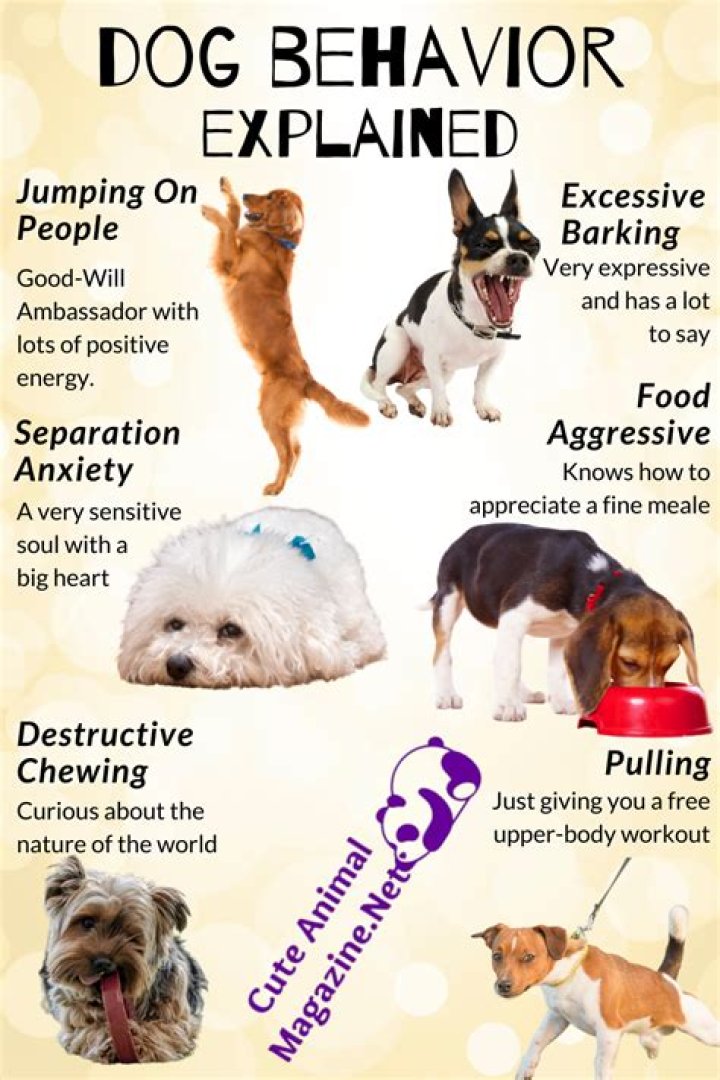
Do you want to know a powerful command phrase that can help you train your puppy?
"Puppy no" is a simple yet effective phrase that can be used to teach your puppy what behaviors are unacceptable. When used consistently, this phrase can help to prevent your puppy from developing bad habits and can make training much easier.
There are many benefits to using "puppy no" as a training tool. First, it is a clear and concise command that is easy for puppies to understand. Second, it is a negative command, which means that it tells your puppy what not to do rather than what to do. This can be helpful for puppies who are easily distracted or who have difficulty following commands.
Of course, using "puppy no" is not the only thing you need to do to train your puppy. You will also need to use positive reinforcement, such as treats or praise, to reward your puppy for good behavior. However, "puppy no" can be a valuable tool in your training arsenal, and it can help you to raise a well-behaved dog.
puppy noIntroduction
Using "puppy no" is an important part of training your puppy. It is a clear and concise command that is easy for puppies to understand.Key Aspects
Clear and concise command Negative command Easy for puppies to understand Can be used to prevent bad habits Can make training easier{point}Introduction
"Puppy no" can be used to teach your puppy what behaviors are unacceptable.Facets
Preventing bad habits Making training easier{point}Introduction
"Puppy no" is a valuable tool in your training arsenal. It can help you to raise a well-behaved dog.Further Analysis
Using "puppy no" consistently Rewarding your puppy for good behaviorFAQs on "Puppy No"
This section provides answers to frequently asked questions about the "puppy no" command, offering guidance on its effective use in puppy training.
Question 1: How can I effectively use "puppy no" in training my puppy?
When using "puppy no," it is important to remain consistent and assertive. Ensure your tone is firm and clear, conveying the seriousness of the command. Avoid excessive repetition, as this can diminish its impact. Instead, use the command sparingly and only when necessary to correct undesirable behavior.
Question 2: What are some common mistakes to avoid when using "puppy no"?
A common mistake is using "puppy no" excessively as a general reprimand. This can lead to confusion and undermine the effectiveness of the command. Additionally, avoid using the command in a harsh or aggressive manner, as this can damage the bond between you and your puppy.
Summary:
Using "puppy no" effectively in puppy training requires consistency, clarity, and appropriate timing. By avoiding common pitfalls and implementing the command judiciously, you can establish clear boundaries and promote positive training outcomes.
Conclusion
The "puppy no" command is an essential tool for effective puppy training. Its clear and concise nature makes it easily understandable by puppies, facilitating the communication of unacceptable behaviors. By implementing "puppy no" consistently and appropriately, owners can establish clear boundaries and prevent the development ofhabits.
Remember, the key to successful training lies in consistency, patience, and positive reinforcement. By utilizing "puppy no" judiciously and in conjunction with rewards for good behavior, owners can cultivate a well-behaved and responsive canine companion.
The Ultimate Guide To The Perfect Pooh Punch: A Step-by-Step Recipe
Unveiling Miss Gaza: Inspiring Stories From The Heart Of Conflict
Luxury Cartier Bugatti: The Ultimate Collaboration
Dalmatian Puppy transparent PNG StickPNG
cute puppy pictures for free Hd cute puppy backgrounds Adorable